

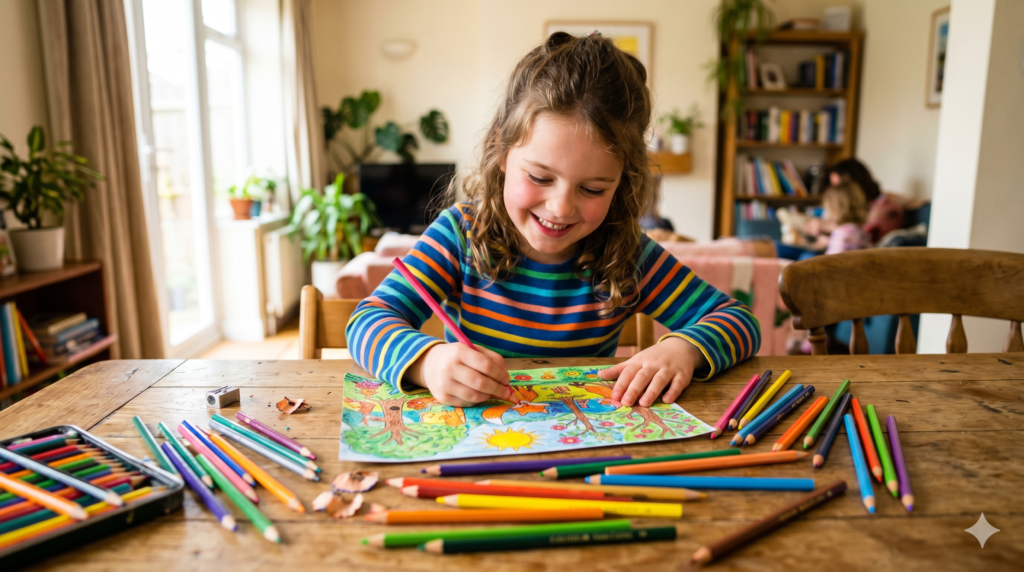
Colored pencils are one of the most popular art supplies for children — and for good reason. They are safe, easy to use, and incredibly versatile. Whether your child is just starting to scribble or is already drawing detailed pictures, the right set of colored pencils can make a big difference in their creativity and enjoyment.
In this guide, we break down everything parents need to know: how to choose the best colored pencils for kids, the different types available, how to make them last longer, and fun activities your child can try at home. Let’s dive in.
What Are Colored Pencils? (And Why Kids Love Them)
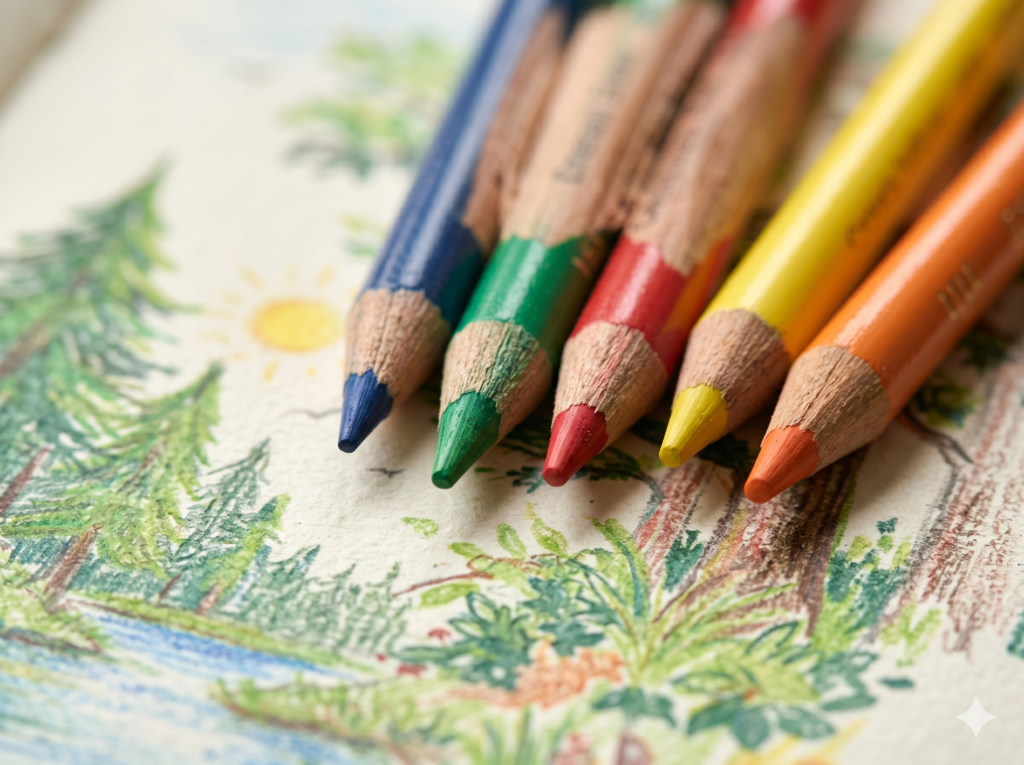
Colored pencils are drawing tools made of a thin pigment core encased in a wooden barrel. Unlike crayons, they give children much finer control — perfect for coloring inside the lines, adding detail, and blending colors together.
Kids love colored pencils because they feel grown-up and professional. They are also much less messy than paints, which makes them a favorite for parents too. Most quality colored pencils are also non-toxic and safe for children of all ages.
Parent Tip: Look for colored pencils labeled AP Certified Non-Toxic. This certification means the product has been tested and is safe for children.
Types of Colored Pencils: Which Is Right for Your Child?
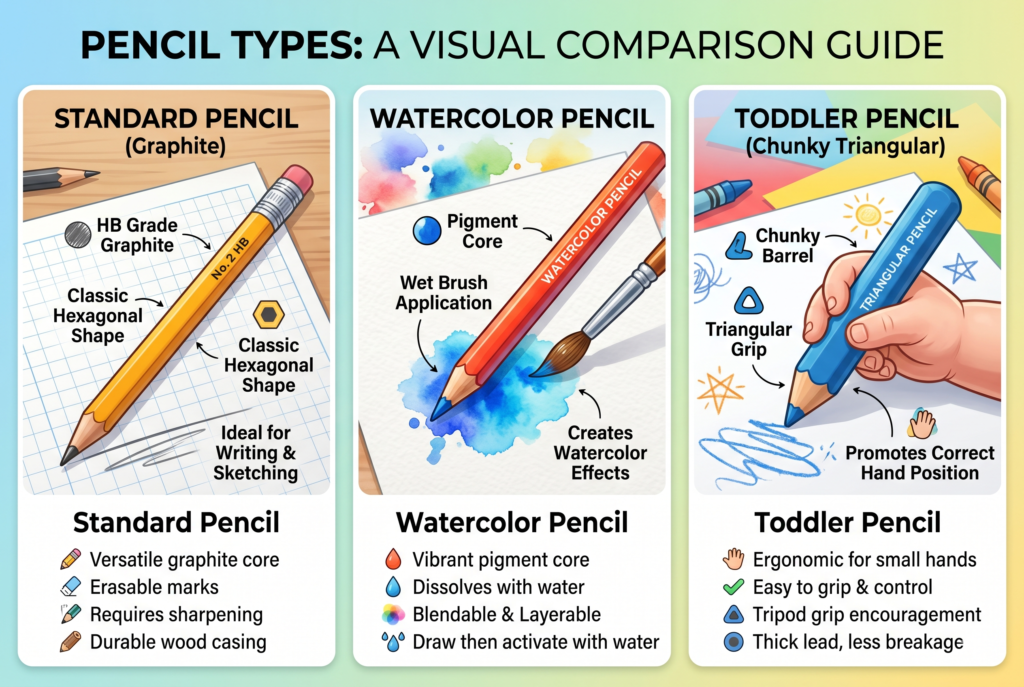
Not all colored pencils are the same. Here are the main types you will find on the market:
1. Wax-Based Colored Pencils
These are the most common type and a great starting point for kids. Wax-based pencils glide on smoothly and are easy to blend. Brands like Crayola use a wax formula that delivers bright, vibrant colors great for young artists.
2. Oil-Based Colored Pencils
Oil-based pencils are slightly harder and produce less waxy buildup on paper. They tend to layer beautifully, making them a popular choice for older kids who want to develop more advanced coloring or drawing techniques.
3. Watercolor Pencils
Also called water-soluble colored pencils, these can be used dry like regular pencils or activated with water and a brush to create a watercolor painting effect. They are a fantastic 2-in-1 tool that encourages kids to experiment with mixed media.
4. Jumbo or Triangular Colored Pencils
Designed specifically for younger children (ages 3 to 6), jumbo colored pencils have thicker barrels that are easier for little hands to grip. Triangular pencils are ergonomically shaped to encourage a correct pencil grip from an early age.
Expert Pick: For kids under 6, choose jumbo or triangular colored pencils with soft leads. For ages 7 and up, a standard wax-based or oil-based set of 24 to 48 colors is ideal.
How to Choose the Best Colored Pencils for Kids
With so many options available, choosing the right set can feel overwhelming. Here are the key factors to consider:
Lightfastness and Color Vibrancy
Lightfastness refers to how well a colored pencil’s pigment resists fading over time. For kids’ artwork you want to keep or display, look for pencils with good lightfastness ratings so colors stay bright for years.
Core Thickness
The core (the colored center of the pencil) comes in different thicknesses. A thicker core lays down more pigment and is more durable — ideal for kids who press hard. Thinner cores are better for detailed work.
Break Resistance
Children can be enthusiastic with their art supplies, which sometimes means broken pencil tips. Look for brands that advertise break-resistant leads — these are often bonded to the wood casing during manufacturing to reduce breakage.
Set Size
Starter sets of 12 or 24 colors are perfect for young children. As kids develop their interest, sets of 36, 48, or even 72 colors give them more creative range. Resist buying a huge set right away — too many choices can actually be overwhelming for young artists.
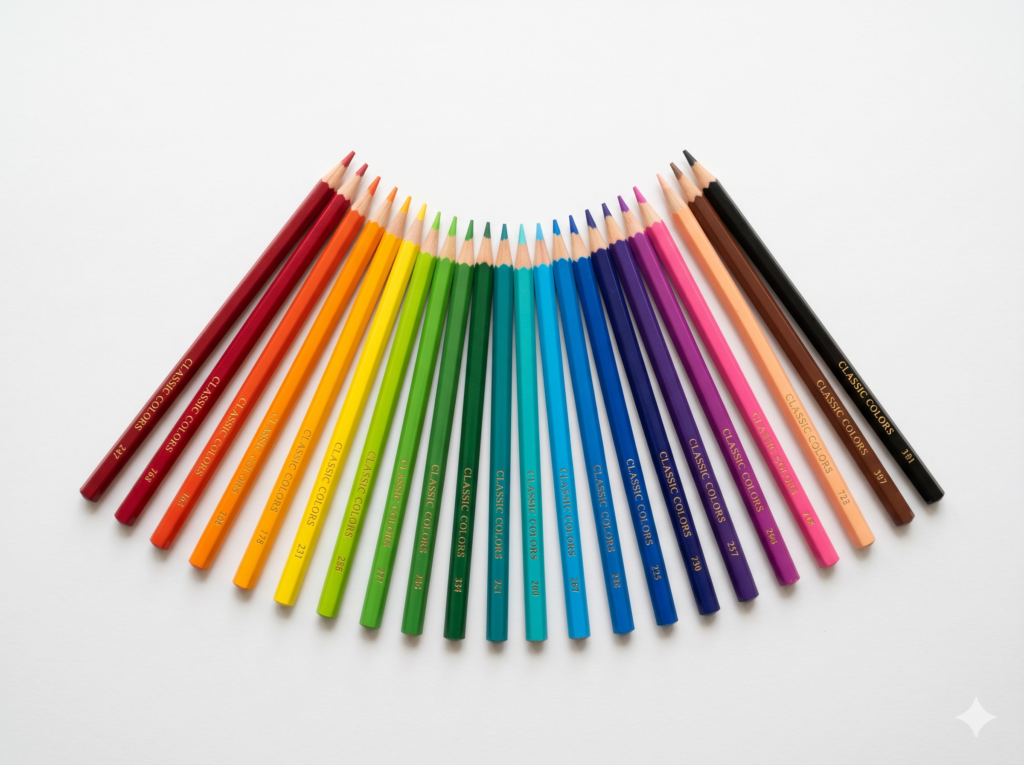
Here is a quick comparison by age group:
• Ages 3 to 5: Jumbo colored pencils, sets of 8 to 12 colors
• Ages 6 to 8: Standard wax-based pencils, sets of 24 colors
• Ages 9 to 12: Oil-based or wax-based pencils, sets of 36 to 48 colors
• Ages 13+: Artist-grade colored pencils with 48 to 72 colors
Top Colored Pencil Brands Parents Trust
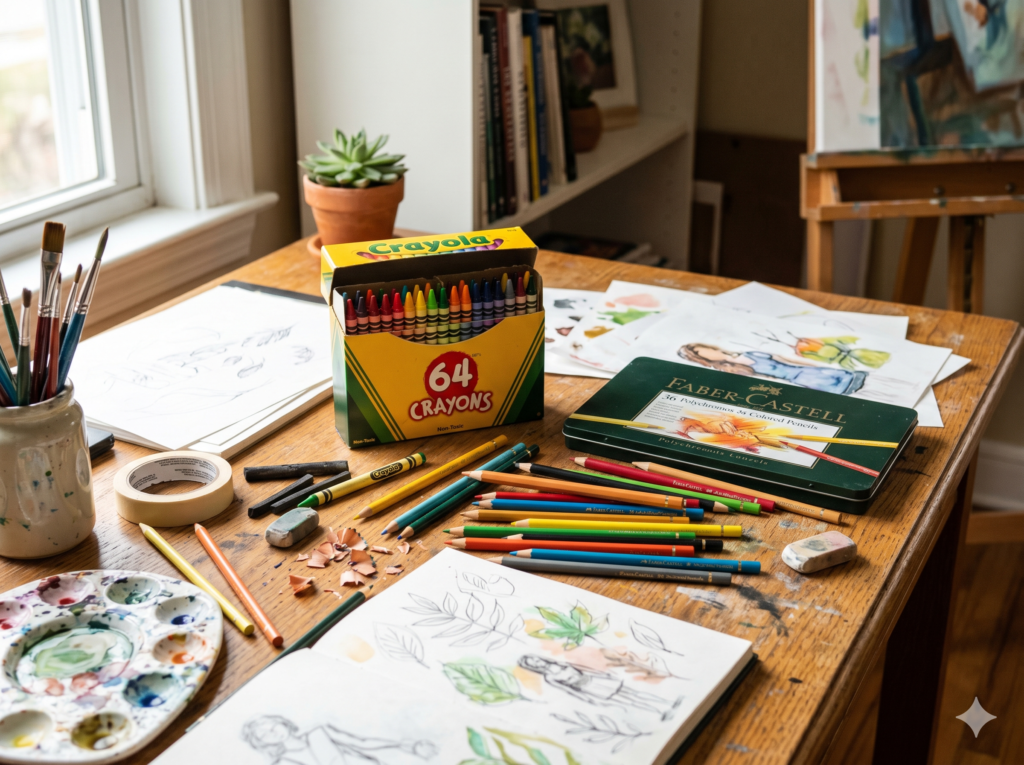
These brands consistently receive high marks for quality, safety, and kid-friendliness:
1. Crayola — The go-to brand for younger children. Affordable, widely available, and certified non-toxic. Their colored pencils are smooth and great for everyday use.
2. Faber-Castell — A step up in quality, Faber-Castell offers excellent color vibrancy and break-resistant cores. Their Grip series is especially popular for kids due to the ergonomic triangular barrel.
3. Prismacolor Scholar — An entry-level line from a professional brand, giving kids a taste of artist-quality colored pencils at a reasonable price.
4. Staedtler — Known for durable cores and consistent color laydown, Staedtler pencils are popular in schools around the world.
5. Arteza — A newer brand offering value packs with excellent color range, popular with parents looking for quality on a budget.
How to Care for and Store Colored Pencils
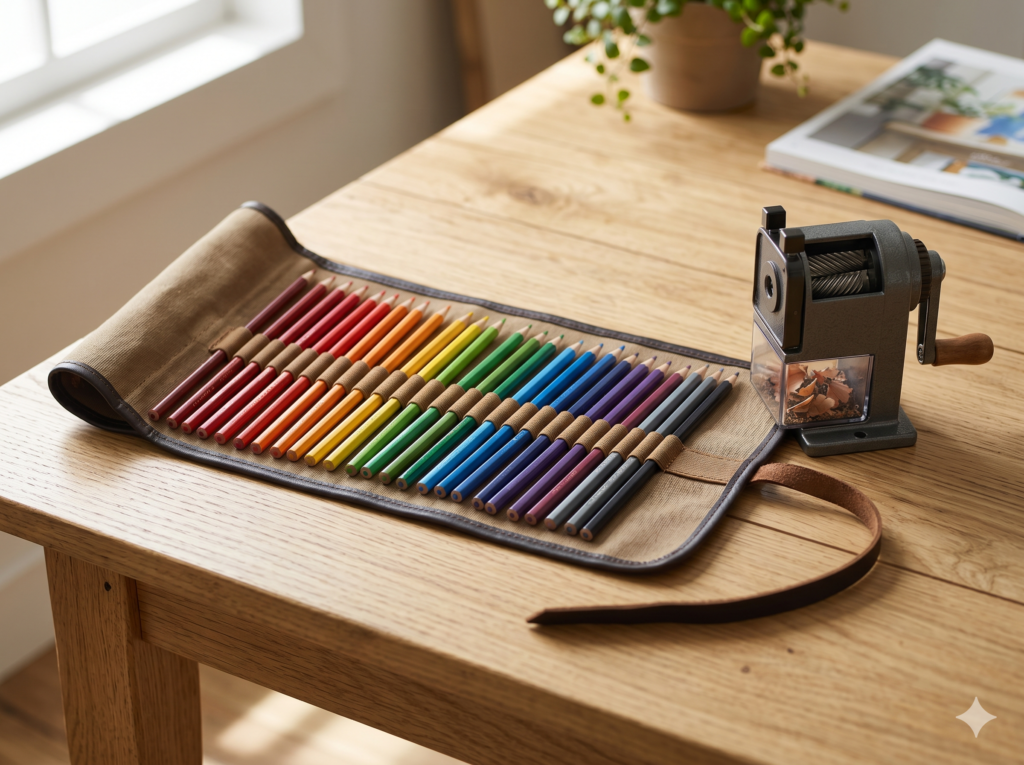
Getting the most out of your colored pencils means keeping them in good condition. Here are some simple tips:
Sharpening the Right Way
Always use a quality sharpener designed for colored pencils. Standard pencil sharpeners can cause the soft pigment core to crack. A hand-held sharpener with a large barrel, or an electric sharpener with a colored pencil setting, works best. Sharpen slowly and rotate the pencil gently to avoid breakage.
Proper Storage
Store colored pencils horizontally in a case or roll-up pouch rather than tip-down in a cup. Storing them vertically with the tip down can cause the core to crack from the pencil’s own weight. Keep them away from direct sunlight and extreme heat, which can soften the wax and cause smearing.
Making Them Last Longer
• Use light to medium pressure and build up color gradually
• Rotate which pencils you use so they wear evenly
• Replace caps or use a pencil case to protect the tips
• Avoid dropping pencils — this can cause internal core fractures
Fun Colored Pencil Activities for Kids
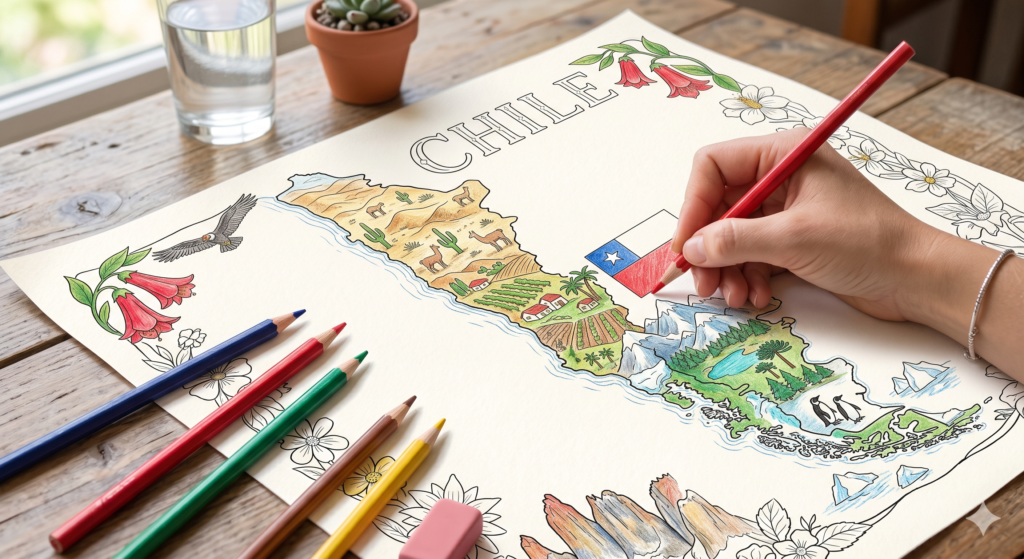
Colored pencils are incredibly versatile. Here are some creative activities to try at home:
1. Layering and Blending
Teach your child to layer colors on top of each other to create new shades. Start with a light color and gradually add darker layers. Use a colorless blender pencil or even a cotton swab to blend the pigments together for a smooth, painterly finish.
2. Texture Rubbings
Place a piece of paper over a textured surface — like a coin, leaf, or brick wall — and gently color over it with a colored pencil. The texture below will appear like magic. This is a great sensory activity for younger children.
3. Watercolor Pencil Art
If you have watercolor pencils, let your child draw a picture and then use a damp brush to blend the colors into a wash. The transformation from dry drawing to watercolor painting is genuinely magical for kids.
4. Coloring Pages and Printables
Print free coloring pages online and encourage your child to practice different coloring techniques: staying inside the lines, using one color for shading, or creating gradient effects by pressing lightly on one end and more firmly on the other.
5. Drawing from Nature
Take your child outside with their colored pencils and a sketchpad. Drawing flowers, leaves, or pets from life is one of the best ways for children to develop observation skills and artistic confidence.
Fun Fact: Studies show that coloring with colored pencils helps children develop fine motor skills, hand-eye coordination, and focus — all skills that support academic learning.
Colored Pencils vs. Crayons vs. Markers: Which Should You Choose?
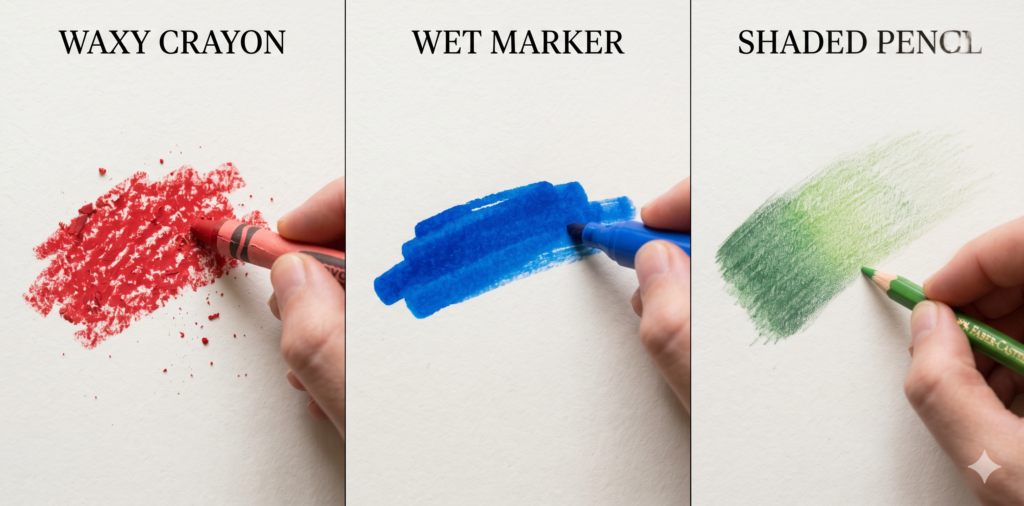
Parents often wonder which drawing medium is best for their child. Here is a quick breakdown:
• Colored pencils: Best for detail, control, and building artistic skill. Great from age 4 and up.
• Crayons: Best for toddlers and very young children (ages 2 to 4) due to their chunky shape and durability.
• Markers: Best for bold, vivid coloring. Less precision but high impact — great for older kids who love bright artwork.
For most school-age children, colored pencils offer the best balance of control, creativity, and durability. Many parents keep all three on hand for different projects.
Frequently Asked Questions About Colored Pencils
Are colored pencils safe for toddlers?
Most major brands offer non-toxic colored pencils that are safe for children. However, colored pencils should be used with supervision for children under 3, as the sharpened tip can be a hazard. Look for AP Certified Non-Toxic products and choose jumbo-sized pencils that are harder to accidentally swallow or choke on.
How do you fix broken colored pencil tips?
If the tip breaks while sharpening, simply re-sharpen carefully. If the core inside the pencil is cracked (a common issue from being dropped), try warming the pencil very gently — this can sometimes fuse the crack. To prevent this, always buy break-resistant pencils and avoid dropping them.
Can colored pencils be used on canvas?
Yes! Colored pencils can be used on canvas, especially oil-based or solvent-activated pencils. This is a more advanced technique suitable for older children and teens interested in fine art. Standard wax-based pencils work best on paper, cardstock, or drawing pads.
What is the difference between student-grade and artist-grade colored pencils?
Student-grade colored pencils (like Crayola or basic Faber-Castell) use less pigment and more filler, making them less vibrant and lightfast but very affordable and durable. Artist-grade pencils (like Prismacolor Premier or Faber-Castell Polychromos) use higher-quality pigments that are more vivid, blend better, and last longer. For most kids, student-grade is perfect. Serious young artists aged 12 and up may appreciate upgrading to an entry-level artist set.
Final Thoughts: Choosing the Right Colored Pencils for Your Child
Colored pencils are one of the most rewarding art supplies you can give a child. They are safe, affordable, mess-free, and incredibly creative. Whether your little one is just learning to color or is already a budding artist, there is a perfect set of colored pencils out there for them.
Start with a quality set suited to your child’s age, teach them a few basic techniques, and then step back and watch their imagination run wild. With the right colored pencils in hand, there is no limit to what they can create.
Quick Recap: For toddlers: jumbo colored pencils. For school-age kids: a 24-color wax-based set. For teens: consider oil-based or artist-grade pencils. Always choose non-toxic and break-resistant.